
The walk of faith.

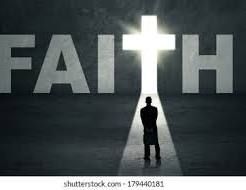
The walk of faith is the journey every believer undertakes after choosing to trust in God and follow His Word. It is not a single event but a lifelong process of believing, obeying, and growing in a relationship with the Creator. Faith is more than just saying “I believe.” It is living each day with confidence that God is who He says He is, and that He will do what He has promised. The walk of faith requires patience, perseverance, and total dependence on God, even when circumstances seem uncertain or painful.
Faith begins with believing in Jesus Christ as Lord and Savior. Hebrews 11:6 says, “Without faith it is impossible to please God.” This means that faith is the foundation of the Christian life. It is through faith that we are saved, not by our works or good deeds. When we accept Christ, we step into a new way of living that is no longer guided by sight or human understanding but by trust in God’s unseen hand. The walk of faith invites us to move from self-reliance to God-reliance, from fear to courage, and from doubt to confidence in His promises.
Walking by faith means trusting God even when the road ahead is unclear. The Bible gives us many examples of people who walked by faith. Abraham left his home and family to go to a land he had never seen, simply because God told him to. Noah built an ark even though there had never been rain before. Moses faced Pharaoh with only a staff and a promise from God. Each of these individuals showed that faith is not based on what we see, but on what God says. They obeyed God’s voice, even when their circumstances made obedience seem impossible.
In our daily lives, the walk of faith often challenges us to go beyond our comfort zones. God may call us to forgive those who hurt us, to give when we feel we have little, or to believe for healing when the doctors have given up hope. These moments test our faith, but they also strengthen it. Just as muscles grow through resistance, our faith grows when we face trials. James 1:3 reminds us that “the testing of your faith produces perseverance.” Every difficulty we face is an opportunity to trust God more deeply and to see His power at work in our lives.
One of the biggest challenges in the walk of faith is waiting. God’s timing is often different from ours. We may pray and expect instant results, but God sometimes delays His answers to develop our character. During the waiting season, doubt and fear can easily creep in. However, faith reminds us that God is never late; He is always right on time. Abraham waited many years for the son God promised him. Joseph spent years in prison before his dream of leadership came true. David was anointed king long before he sat on the throne. Each of these stories shows that waiting is not a waste of time when it is done in faith. It is a season of preparation and maturity.
The walk of faith also requires obedience. Faith without action is dead (James 2:17). True faith always leads to obedience. When God instructs us to move, we must move. When He tells us to stop, we must stop. Obedience demonstrates our trust in Him. Sometimes we want to see results before we obey, but in God’s kingdom, obedience comes first, and blessings follow. Peter experienced this when Jesus told him to cast his net again after a long night of failure. Even though it made no sense, Peter obeyed, and the result was a miraculous catch. Faith acts on God’s Word, not on feelings or logic.
Another essential aspect of walking by faith is perseverance. The Christian journey is not always smooth. There are seasons of joy and seasons of sorrow, victories and valleys. Faith keeps us moving forward even when life is hard. The apostle Paul wrote, “We walk by faith, not by sight” (2 Corinthians 5:7). This means we do not rely on what we can see or understand. Instead, we trust that God’s plan is greater than our temporary struggles. Faith gives us the courage to keep walking, even when the road seems dark.
Community also plays a vital role in the walk of faith. We are not meant to walk alone. God places us in fellowship with other believers to strengthen and encourage one another. When our faith wavers, others can lift us up through prayer and support. The early church in the book of Acts demonstrated this beautifully—they shared everything, prayed together, and stood firm in faith despite persecution. Walking with others who share our faith helps us remain steadfast when challenges arise.
Lastly, the walk of faith is a journey of transformation. As we walk with God, He changes us from the inside out. Our priorities shift, our hearts soften, and our desires align more with His will. Faith teaches us to depend less on the material world and more on spiritual truth. The closer we walk with God, the more we reflect His character—love, humility, patience, and compassion. Faith molds us into the image of Christ, which is the ultimate goal of every believer.
In conclusion, the walk of faith is not a sprint but a lifelong journey with God. It requires trust, obedience, patience, and perseverance. It means believing when we cannot see, standing when we feel weak, and rejoicing even in trials because we know God is faithful. Through every step, God refines our character and strengthens our relationship with Him. Though the road may be narrow and filled with challenges, the walk of faith leads us to eternal reward and a deeper understanding of God’s love and purpose. As we keep walking by faith, not by sight, we learn that the greatest miracle is not what God does for us, but what He does in us.